

Understanding Public Health Services and How They Keep Communities Healthy
Public health services are the organized, population-level efforts that prevent disease, prolong life, and promote health through coordinated action. These services function by monitoring community health threats, educating the public on protective behaviors, and ensuring access to essential preventive care such as vaccinations and screenings. The primary benefit is the reduction of disease burden at scale, improving quality of life for entire communities while lowering long-term healthcare costs. browncountyhealthdept.org To use these services, individuals simply contact their local health department or community clinic, where **services are typically free or low-cost and available to all residents.
What Exactly Falls Under the Umbrella of Public Health Services?
Public health services cover a precise, actionable scope: disease surveillance and outbreak response, sanitation and clean water enforcement, maternal and child health programs, vaccination drives, chronic disease prevention, food safety inspections, and health education campaigns. They also include screening for infections like tuberculosis and HIV, harm reduction services such as needle exchanges, and environmental health checks for air quality and toxic exposures. These services are population-based, not clinical care for individuals—they track patterns, remove hazards, and build protective systems. What exactly falls under the umbrella? Everything that prevents illness at the community level, from sewage treatment to school-based dental sealants. Think of it this way: when a city tests tap water, traces a salmonella cluster, or funds free flu shots at libraries—that is public health in action. Q: Are mental health crisis hotlines included? Yes, when they are coordinated through public health agencies as community suicide prevention infrastructure.
Core Offerings: From Disease Prevention to Health Education
Core offerings in public health services pivot from proactive disease prevention to empowering communities through structured health education. Prevention begins with screenings—blood pressure, glucose, and cancer checks—that catch risks early, while immunization drives block outbreaks before they spread. Education then translates data into daily action: nutrition workshops, smoking cessation coaching, and sexual health literacy. These services sequence logically: first assess community vulnerability via epidemiological data, then deploy targeted interventions like sanitation campaigns or vaccination clinics, and finally reinforce behavior change through accessible classes and hotlines. The goal is health literacy, ensuring people understand not just what to do, but why—turning passive recipients into active guardians of their own well-being.
Who Delivers These Services and Where You Can Access Them
Public health services are delivered by a layered network of professionals across government and community settings. At the local level, county health departments employ epidemiologists, public health nurses, and sanitarians who conduct disease surveillance, immunizations, and restaurant inspections—these are typically accessed by visiting your municipal health office or calling their hotline. State agencies, such as departments of health, coordinate laboratory testing and outbreak response, while federal bodies like the CDC or HRSA fund and guide programs via regional offices. For direct care, you can access services through **federally qualified health centers (FQHCs)**, school-based clinics, and mobile health units, which offer screenings and STD testing regardless of insurance status. To find a provider, use the search tool on your state’s health department website or dial 2-1-1. A typical access sequence is:
- Identify your local health department’s address and hours.
- Check eligibility for sliding-scale fees.
- Schedule an appointment via phone or online portal.
Many services, such as free vaccination clinics, are also delivered through public libraries or faith-based organizations under contract.
How to Start Using Community Health Programs for the First Time
Begin by locating your local health department’s website or calling its public information line to ask for a list of sliding-scale clinics, immunization drives, and chronic disease screenings. Your first step is verifying eligibility—most programs accept uninsured or underinsured residents without requiring proof of income beyond a simple form. Next, schedule a welcome appointment; staff will walk you through available services like blood pressure checks, diabetes education, or prenatal support, so you never navigate alone. Q: What if I miss an appointment? Most community health centers allow one no-show without penalty, then rebook you within days. Finally, bring your ID and any medication bottles to every visit—this lets providers connect you to refill assistance or referral programs immediately. Start with one service, attend consistently, and ask your case worker to recommend the next preventive step for your family.

Finding the Right Clinic or Health Department Near You
To find the right clinic or health department near you, start with your city or county health department’s website—they list sliding-scale fees and walk-in hours. Call ahead to confirm if they accept uninsured patients or offer same-day slots. For a community health program that fits your schedule, check nearby federally qualified health centers (FQHCs), which often provide dental, mental health, and chronic care under one roof. Use online tools like HRSA’s finder or 211 hotlines, then drop by to ask about interpreter services and paperwork needs.
- Search “FQHC near me” or use the 211 service for local listings.
- Verify hours, walk-in policies, and whether they offer telehealth check-ins.
- Ask about income-based discounts or free preventive screenings when you call.
What Paperwork or Identification Do You Need to Bring?
When starting with community health programs, bring a **government-issued photo ID**, such as a driver’s license or state ID, to verify your identity. If you lack one, a passport or tribal ID often suffices. Next, carry proof of income, like a recent pay stub or tax return, since many programs use this for sliding-scale fees. Additionally, bring any existing health insurance card or Medicaid/Medicare documentation, even if you believe it is inactive. For dependents, provide their birth certificates or custody papers. Finally, arrive with a completed intake form if downloadable; otherwise, the clinic will supply one. Identification requirements vary slightly by site, so call ahead to confirm exact documents before your visit.
Understanding Eligibility for Free or Low-Cost Care
Understanding eligibility for free or low-cost care starts with your income, household size, and local guidelines, not assumptions. Most community health programs use federal poverty level charts, so check where you stand against those numbers first. Don’t skip proof steps—bring pay stubs, tax returns, or a signed self-declaration if you’re unpaid. Some clinics also factor in medical debt or chronic conditions, so mention those even if you think they don’t count. Ask about sliding-fee scales, which adjust your bill based on what you earn monthly. Crucially, eligibility isn’t permanent—reapply after job changes or family shifts. Many programs accept walk-ins for screening, so you can get a provisional answer same-day. Verify your qualifying status before booking expensive tests, and always request a written confirmation of your coverage tier. That paperwork prevents surprise bills later.
Key Benefits You Get From Population Health Initiatives
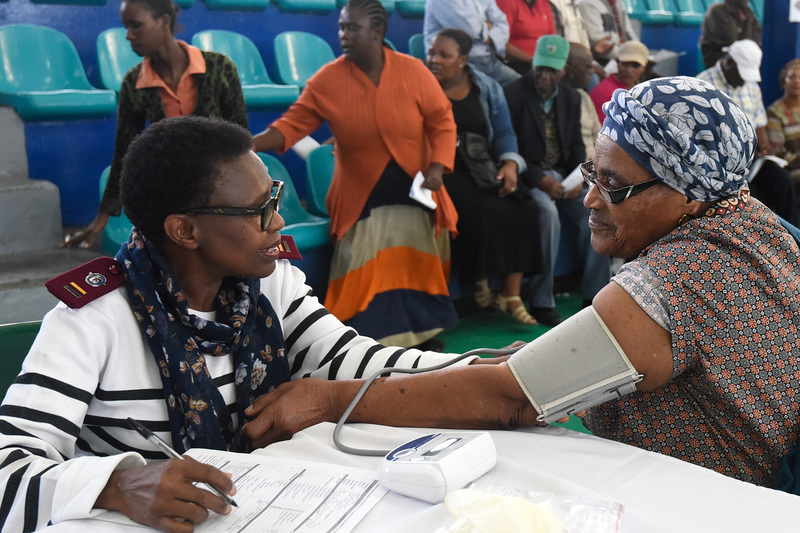
Population health initiatives transform public health services by shifting from reactive treatment to proactive prevention. You gain earlier detection of community-wide risks, allowing interventions before conditions escalate into costly emergencies. These programs coordinate resources across clinics, schools, and community centers, so you experience seamless care even if you change providers or face social barriers. Through targeted screenings and vaccination drives, public health services reduce your exposure to contagious outbreaks and chronic disease clusters. You also benefit from personalized outreach—such as reminders for follow-ups or home visits—that bridges gaps in access. The data gathered helps local health teams tailor nutrition, mental health, and chronic care support directly to your neighborhood’s unique needs. Ultimately, you enjoy a healthier environment, lower out-of-pocket costs, and a system that keeps you well, not just treats you when sick. Population health initiatives make public health services more proactive, equitable, and genuinely effective for everyday people.
Preventive Screenings and Vaccinations That Save Money Long-Term
Population health initiatives prioritize preventive screenings and vaccinations that save money long-term by catching conditions early. A simple blood pressure check costs less than treating a subsequent stroke, just as a colonoscopy prevents costly late-stage cancer care. Vaccines eliminate expensive hospitalizations for flu, pneumonia, or HPV-related cancers. For example, routine diabetes screening allows lifestyle changes before insulin dependence develops. Each avoided emergency visit or chronic disease progression reduces out-of-pocket expenses and lost work time. Public health programs make these services low-cost or free, meaning you pay pennies now instead of thousands later.
Support for Chronic Conditions Like Diabetes or Hypertension
Population health initiatives transform diabetes and hypertension care from reactive crisis management into proactive, continuous support. You gain access to structured medication management, nutritional counseling, and blood-pressure monitoring programs that fit your daily routine. Care coordinators track your progress between visits, adjusting treatment plans based on real-world data rather than isolated appointments. This framework helps you avoid dangerous complications like kidney damage or stroke by catching early warning signs. You also receive peer support groups that reinforce lifestyle changes, making it easier to sustain healthy habits. The result is fewer emergency room episodes and better-controlled readings. Continuous chronic condition management becomes a practical reality, not a pamphlet promise.
**Q: How does population health support help me manage my hypertension or diabetes day-to-day?**
A: It provides regular check-ins, personalized meal plans, home-monitoring tools, and medication reminders—so you’re never managing the condition alone between doctor visits.
Mental Health and Substance Use Resources Available to Everyone
Population health initiatives tear down financial barriers, putting free and low-cost mental health support within reach for anyone. Through public health services, you can access 24/7 crisis hotlines, sliding-scale counseling, and community-based peer support groups without a referral or insurance card. Substance use resources include walk-in detox referrals, naloxone distribution, and harm-reduction education that meets you where you are. These programs also offer online therapy modules and text-based coaching, cutting out waitlists and stigma. Recovery navigators connect you to housing and employment aid alongside treatment, creating a safety net for the whole person. You simply show up, and the system bends toward your survival and stability.
Practical Tips for Getting the Most Out of Your Local Health Offerings
Start by locating your nearest public health department and bookmarking its service calendar, as many clinics offer sliding-scale fees. Preventive screenings like blood pressure checks and immunizations are often free, so prioritize these during community health fairs. Call ahead to confirm walk-in hours, since many public health services require advance registration for flu shots or lab work. Ask about chronic disease management programs—they frequently provide free nutrition counseling and medication adherence support. For dental or vision care, check if your local public health unit operates mobile vans that rotate through neighborhoods. Finally, request a printed list of subsidized wellness classes, such as smoking cessation or diabetes education, and schedule them directly with the front desk. Community health navigators can also connect you to eligibility assistance for these offerings.
How to Book Appointments and Navigate Walk-In Hours
To secure a slot at public health services, call the booking line early in the morning, as same-day schedules often fill within an hour. Most clinics release appointments at 8:00 AM, so set a reminder to call or use the online portal precisely at that time. For walk-in hours at public clinics, arrive 15 minutes before the posted start time to register, as capacity is capped daily. If you need lab work, ask if walk-ins are accepted separately, as many sites triage these faster. When in doubt, follow this sequence:

- Check the clinic’s website for “walk-in” versus “appointment-only” days.
- Call the front desk to confirm if your procedure qualifies for drop-in.
- Bring proof of address and insurance card to speed up check-in.
Telehealth Options: Consulting a Public Health Professional Remotely
Telehealth options let you consult a public health professional remotely, bypassing travel and wait times for non-emergency guidance. Before your video or phone visit, check your local health department’s portal for available virtual slots and required documentation, such as immunization records. Prepare a symptom timeline and a list of current medications, as this streamlines the remote assessment. However, remote consultations cannot replace in-person diagnostic tests, so clarify upfront which issues require a physical follow-up. Ask for a written summary or a patient portal message after the call to track recommendations. Remote public health consultations are most effective for nutrition advice, smoking cessation support, or chronic condition check-ins. Q: Can I use telehealth for a suspected infectious disease exposure? Yes, but the professional will likely guide you to a testing site rather than diagnose remotely. Always confirm your insurance covers virtual visits for public health services.
Working with Case Managers to Coordinate Your Care
Your case manager is your personal navigator through the public health system, turning scattered services into one cohesive plan. To get the most from this partnership, bring a written list of your current symptoms and medications to every meeting. Be transparent about barriers like transportation or affordability, as this information lets them tailor referrals effectively. Treat each session as a checkpoint: confirm what you’ll both do before you leave. Proactive coordination with your case manager prevents gaps in care. Use this rhythm to stay on track:
- Share your goals and urgent concerns first.
- Ask for specific next steps and contact names.
- Follow up within 48 hours to adjust the plan if needed.
Common Questions About Community Care, Answered
When Maria first asked her nurse, “Why does this community clinic keep calling me?”—she wasn’t annoyed, just confused. The answer she got, *“we’re checking if your blood pressure meds are affordable,”* is a perfect example of how community care answers real questions. People often wonder, “Is this service free if I don’t have insurance?”—yes, sliding-scale fees are set by what you earn, not your diagnosis. Another common one: “Do I have to see the same doctor every time?” No, your care team shares one record, so any nurse or social worker can pick up where the last one left off. And when someone asks, “Can I bring my child to my appointment?”—yes, because childcare barriers are a health barrier, so the waiting room has a play corner. These answers turn hesitation into trust, one visit at a time.
Is Everything Really Free, or Are There Hidden Charges?
So, is everything really free, or are there hidden charges? In public health services, most core visits and preventative check-ups come at no upfront cost, but you might still face fees for specific extras like certain prescriptions, dental procedures, or medical equipment that isn’t covered by your local health plan. Think of it as a base layer of free care, with potential out-of-pocket costs for non-essential or specialized add-ons. Always ask for a written estimate before any procedure so you’re never blindsided by a bill for something you assumed was covered. Hidden charges in public health services usually appear only when you choose services outside the standard covered package, like private rooms or elective treatments.
Bottom line: core care is free, but always confirm coverage for extras to avoid surprise fees.
Can You Use These Services if You Already Have Private Insurance?
Yes, you can typically use public health services even if you carry private insurance, as most community clinics and health departments serve everyone regardless of coverage status. Using public services with private insurance usually means you’ll be billed through your insurer, but if you prefer to pay out-of-pocket for privacy or to avoid a deductible, many programs offer sliding-scale fees based on income. However, some specialized services, like immunizations or sexual health testing, are free regardless of insurance. To navigate this, follow this sequence: first, confirm the clinic accepts your private plan; second, ask whether a self-pay rate applies; third, check if your insurer requires a referral for that specific public program.
What Happens if You Need a Specialist or Hospital Care?
When your community care provider identifies a condition beyond their scope, they’ll issue a **referral for specialist or hospital care**—this is your gateway to advanced treatment. You typically won’t book the hospital directly; instead, the referral team coordinates the appointment, often prioritizing urgency. Expect to receive a date, location, and prep instructions by phone or patient portal. If symptoms worsen while waiting, contact the referral office immediately, as they can escalate your case. At the hospital, bring your referral letter, ID, and current medication list. After discharge or a specialist visit, a summary is sent back to your community clinic, ensuring your ongoing care stays connected and coherent.
Specialist or hospital care starts with a community provider’s referral, which teams use to book your appointment, prioritize urgency, and share results back to your local clinic for seamless follow-up.
