

The Ultimate 9mm Ammo Guide: Ballistics, Prices, and Best Rounds for Every Shooter
Have you ever wondered why 9mm ammo feels so trusted in the palm of your hand? This cartridge works by igniting a small primer that propels a jacketed bullet through a grooved barrel, giving you consistent, manageable recoil without sacrificing stopping power. Its straight-walled case feeds smoothly into most firearms, making it an ideal choice for practice, self-defense, or competitive shooting when you need reliable performance. Balanced ballistics mean you can focus specialty sports on your aim rather than fighting the gun, which is why so many shooters find it forgiving and encouraging to master.
What Exactly Is 9mm Ammunition and Why Is It So Popular?
9mm ammunition refers to the 9×19mm Parabellum cartridge, a rimless, centerfire round with a 9.01mm bullet diameter housed in a 19.15mm case. Its popularity stems from a practical balance: recoil is manageable for rapid follow-up shots, magazine capacity is higher than larger calibers, and terminal ballistics with modern hollow points Rimfire Ammo for Sale are reliable for self-defense. The round feeds flawlessly in most semi-automatic pistols, from compact carry guns to full-size duty firearms.
You get adequate penetration and expansion at typical defensive ranges without the muzzle flip of .40 or .45, making it the default choice for shooters who prioritize controllability and capacity without sacrificing stopping power.
Ammunition is also universally available in practice loads and defensive hollow points, which cements its status as the standard for everyday carry and home defense.
The Real Difference Between 9mm Luger, 9x19mm, and 9mm Parabellum
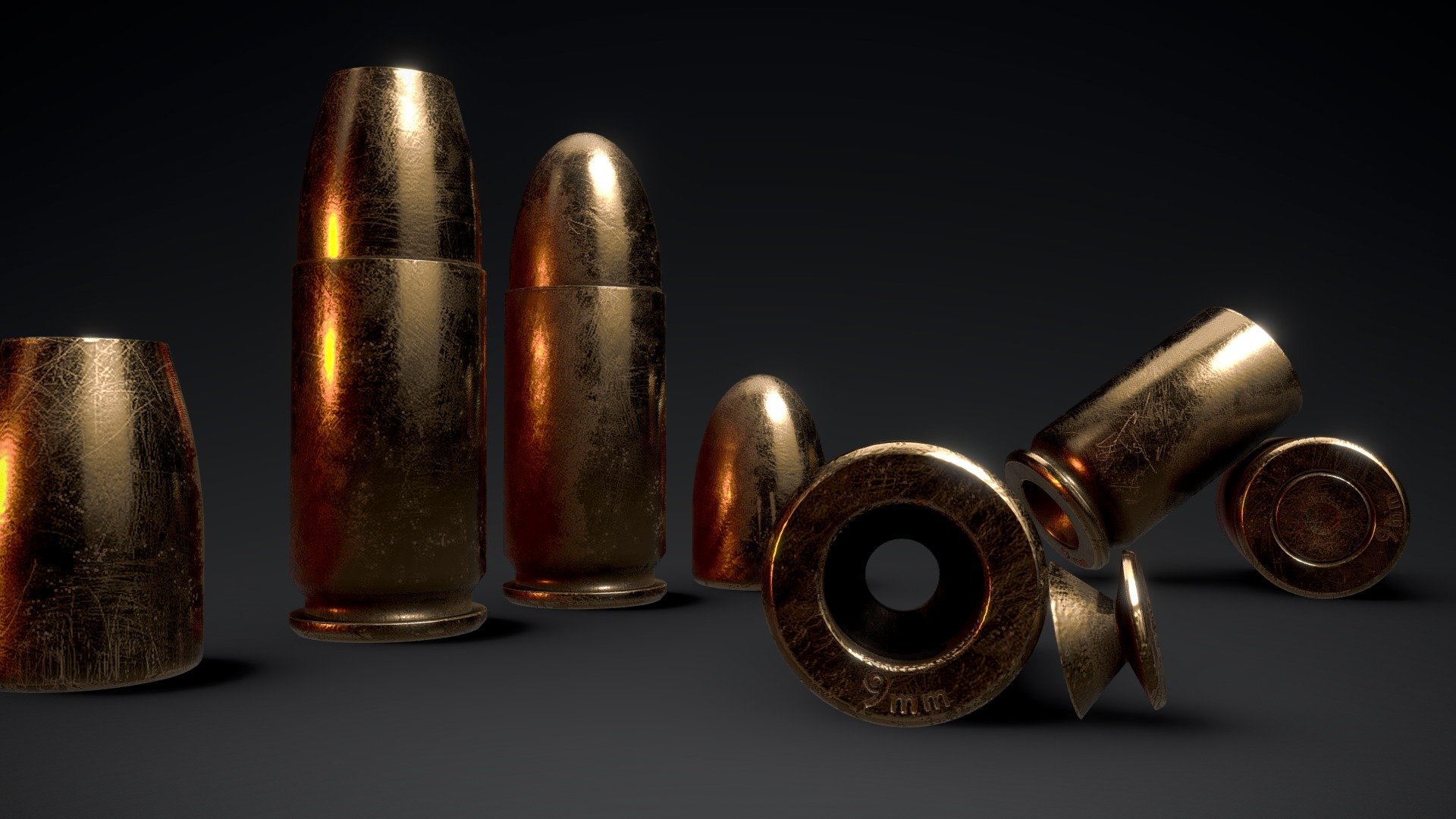
Despite the intimidating names, 9mm Luger, 9x19mm, and 9mm Parabellum are the exact same cartridge—there is zero functional difference. The name simply reflects history: Georg Luger designed it in 1902, “Parabellum” comes from the German motto of his company, and “9x19mm” is the metric measurement of the case. You can safely load and fire all three interchangeably in any firearm marked with any of these designations. For practical use, remember: if a gun says “9mm Luger,” it is built for this specific round, not for other 9mm variants like 9mm Makarov or 9mm Short—those are completely different sizes and will not chamber. Selection is purely cosmetic, so buy whatever is cheapest on the shelf.
How a 9mm Round Works: Primer, Powder, and Projectile Explained Simply

A 9mm cartridge functions through a precise sequence starting at the primer’s impact-sensitive compound. When the firing pin strikes the primer cup, it crushes the chemical mixture, creating a hot flash that ignites the propellant powder inside the case. This powder burns rapidly, producing high-pressure gas that expands and forces the projectile—the bullet—out of the case mouth and down the barrel. The rifling in the barrel imparts spin to the projectile for stability, while the pressure peaks and drops before the bullet exits the muzzle. The primer, powder, and projectile work as a closed system; any failure in ignition reduces or eliminates the propulsive force.
Q: What happens if the primer ignites but the powder doesn’t burn fully?
A: Incomplete powder burn reduces gas volume and pressure, causing a squib load—a bullet lodged in the barrel. This requires immediate clearing to prevent a dangerous obstruction on the next shot.
What Makes the 9mm Cartridge a Top Choice for Self-Defense and Target Shooting
The 9mm’s dominance in both roles stems from a practical balance of terminal performance and shooter control. For self-defense, modern jacketed hollow points achieve reliable expansion and adequate penetration at typical engagement distances, while the cartridge’s moderate recoil allows for rapid, accurate follow-up shots on target. This same manageable impulse directly benefits target shooting, where consistent grip and sight alignment are easier to maintain over extended range sessions. Furthermore, the round’s compact dimensions permit higher magazine capacities in handguns, offering more opportunities to address a threat without reloading. Ultimately, the 9mm delivers a versatile blend of stopping power and shootability that makes it equally effective for defending a life and honing marksmanship fundamentals.
Breaking Down 9mm Bullet Types: Which One Fits Your Purpose?
Choosing the right 9mm ammo starts with understanding bullet construction, not just brand names. Full metal jacket (FMJ) rounds are your go-to for cheap practice and range days, feeding reliably without excessive barrel fouling. For self-defense, hollow point ammunition expands upon Rifle Ammo for Sale impact, creating a larger wound channel while reducing over-penetration risks in your home. Jacketed hollow points (JHP) balance expansion with deep penetration through clothing, while solid copper options offer barrier-blind performance. If you’re shooting steel targets, consider frangible rounds that break apart to minimize ricochet. Your carry ammo should always be tested in your specific firearm for reliable feeding. Match-grade bullets suit precision competition, but for daily carry, prioritize proven expansion and consistent accuracy over velocity numbers in your 9mm ammo selection.
Full Metal Jacket (FMJ) vs. Hollow Point (JHP): When to Use Each

Full Metal Jacket (FMJ) rounds are the clear choice for range training and competition, as their hard copper coating prevents deformation and ensures reliable feeding through repeated magazines. In contrast, Jacketed Hollow Points (JHP) expand upon impact, transferring maximum energy into a target, making them the only defensive option for carry or home protection. For practice, FMJ’s lower cost and reduced barrel fouling allow for high-volume drills, while JHP’s terminal performance is wasted on paper targets and may over-penetrate less predictably. However, you must cycle a few boxes of your specific JHP load through your firearm to verify flawless function, as feed geometry varies between pistols. A simple rule: FMJ for practice, JHP for self-defense.
| Aspect | FMJ | JHP |
|---|---|---|
| Primary Use | Training, target practice | Self-defense, duty carry |
| Expansion | None – retains shape | Expands to create larger wound channel |
| Penetration | High – risks over-penetration | Controlled – stops within target |
| Cost | Lower | Higher |
Specialty Loads: +P, +P+, Subsonic, and Frangible Rounds—What They Do
Specialty loads in 9mm alter performance for specific tasks. +P ammunition generates higher chamber pressure, boosting velocity and expansion for defensive use, though it accelerates wear and recoil. +P+ goes further, with no SAAMI standard, offering even more power but inconsistent pressure and increased firearm stress—use it sparingly. Subsonic rounds keep bullet velocity below the speed of sound, making them ideal for suppressed shooting to avoid the sonic crack, while still delivering reliable cycling and adequate penetration. Frangible rounds break apart upon impact with hard surfaces, reducing ricochet and over-penetration risks, making them popular for training in steel-target or close-quarters ranges. Choosing between them hinges on your firearm’s rated pressure limits and your specific shooting environment.
Specialty 9mm loads—+P, +P+, subsonic, and frangible—each trade standard performance for a targeted benefit: higher pressure for defense, quieter operation for suppression, or fragmenting behavior for safer close-range practice.
Grain Weight Explained: How 115, 124, and 147-Grain Bullets Affect Recoil and Accuracy
When you’re picking 9mm ammo, grain weight is the secret sauce that changes everything. A 115-grain bullet feels snappy and quick, with a sharp recoil impulse that keeps your sights returning fast—great for competition or rapid fire. Stepping up to 124-grain gives you a softer, more predictable push that often feels like the “Goldilocks” zone, balancing muzzle flip and target reacquisition for most shooters. Going heavier to 147-grain, especially subsonic loads, produces a deep, rolling shove instead of a crack, which can feel smoother but slower to cycle, potentially tightening groups at slower speeds but requiring more deliberate follow-through. Accuracy-wise, lighter bullets typically shoot flatter early, while heavier ones resist wind drift better at longer ranges. Your gun’s twist rate and recoil spring also react differently to each weight, so test a few boxes to find your perfect match.
Grain weight dictates recoil feel and accuracy: 115gr is snappy, 7mm WSM Ammo for Sale 124gr is balanced, and 147gr is soft and heavy, so testing them in your pistol reveals which cycles and groups best for you.
How to Choose the Right 9mm Ammo for Your Handgun
Choosing the right 9mm ammo starts with matching the bullet weight to your gun’s purpose. For range practice, 115-grain full metal jacket rounds are cheap and reliable, while 124-grain loads often feel softer and cycle more consistently in compact pistols. For defense, pick a 124- or 147-grain jacketed hollow point from a reputable brand like Federal HST or Speer Gold Dot—these expand reliably and 7mm-08 Ammo for Sale penetrate deep enough without over-penetrating. Always test a few boxes of your chosen carry ammo to confirm feeding and point-of-aim, since your firearm’s recoil spring and barrel twist matter more than marketing claims.
Most 9mm handguns are tuned for 115–124 grain, so don’t blindly chase +P pressure unless your manual says it’s safe.
Finally, buy in bulk once you find a load that groups well, but keep your defensive stash separate from range fodder to track performance.
Matching the Bullet Weight to Your Barrel Twist Rate for Better Precision
Matching the bullet weight to your barrel twist rate is the single most overlooked variable for tightening 9mm groups. A 1:10 twist stabilizes standard 115-124 grain rounds perfectly, while heavier 147 grain subsonic loads often demand a faster 1:7 or 1:8 twist to prevent yaw and keyholing. Conversely, light 90-100 grain bullets in a slow-twist barrel can fail to spin up, causing erratic flight. To dial in precision, first check your barrel’s twist rate. Then choose a bullet weight that aligns: for 1:10, stick to 115–124 grain; for 1:7–1:8, test 147 grain. Stability equals predictable accuracy, so always verify at 25 yards with a sandbag rest.
- Identify your twist rate from the manual or a cleaning rod test.
- Select a bullet weight within the stabilizer range for that twist.
- Fire five-shot groups and adjust weight until group size shrinks.
Factory New vs. Remanufactured Rounds: Pros, Cons, and Reliability Tips
Factory new 9mm rounds offer pristine primers, consistent powder charges, and virgin brass, ensuring maximum reliability for defensive use. Remanufactured rounds, while cheaper, undergo inspection and reloading, but their resized cases and re-pressed bullets can occasionally fail to chamber in tight tolerances. The primary pro of factory new is absolute dependability; its con is cost. Remanufactured pros include savings and practice value; cons involve occasional inconsistent crimp or OAL. For reliability, always test a sample box of remanufactured ammo in your specific handgun before bulk buying. Verify primer strike depth and cycle function, as light strikes are common with remanufactured primers.
Q: Are remanufactured rounds safe for my 9mm Ammunition for Sale handgun?
A: Yes, if sourced from reputable companies that use quality control, but always function-test them first. Factory new remains safer for carry because it eliminates variables from previous firing.
Practical Tips for Buying, Storing, and Using 9mm Cartridges

When you’re grabbing 9mm ammo for the range, buy in bulk from a trusted dealer—but first, check the box for a sealed primer and consistent bullet seating, because a loose crimp jams more than it fires. After the haul, store the cartridges in a cool, dry place, ideally in their original tray inside a metal ammo can, and never let them bake in a car glovebox, since summer heat degrades the powder’s burn rate. At the bench, load mags by pressing the base flat against your palm, not thumbing the nose, to keep the rounds aligned; *a slightly damp cloth wiped over the cartridges before loading prevents gritty residue from feeding issues, though you’ll rarely need it with fresh brass*. Finally, rotate your stock—shoot the oldest boxes first, and mark purchase dates with a sharpie so you’re always cycling through viable, snappy 9mm rounds.
How to Read a Box of 9mm Ammo: Velocity, Energy, and Casing Material
Check the box’s stated muzzle velocity in feet per second; a 115-grain load at 1,180 fps 6.5 Creedmoor Ammo for Sale feels snappier than a 147-grain subsonic at 950 fps. Next, calculate energy via the listed foot-pounds—typically 350–400 for standard pressure—since higher energy means more expansion, but avoid chasing power past your pistol’s recoil spring rating. Inspect the casing material: brass is reloadable and seals reliably, while nickel-plated brass offers corrosion resistance for carry ammo, and steel or aluminum cases are lighter on cost but often non-reloadable and can dirty your chamber. Match the casing to your storage environment—brass for humid safes, nickel for pocket carry.
Velocity dictates trajectory, energy dictates terminal effect, and casing material dictates longevity—so read all three before you buy.
Best Practices for Long-Term Storage to Prevent Corrosion and Misfires
To prevent corrosion and misfires during long-term storage, always keep 9mm ammunition in a climate-controlled environment with stable, low humidity—ideally below 40% relative humidity. Store cartridges in their original factory boxes or airtight ammo cans, adding desiccant packs to absorb residual moisture. Avoid direct contact with cold floors or metal surfaces, as temperature swings create condensation that degrades primers and propellant. Rotate your stock annually, shooting older rounds first, so no cartridge sits indefinitely untouched. Proper airtight ammo storage is your first defense against failure. This discipline ensures every round you eventually chamber fires reliably.
- Use silica gel desiccants and replace them every six months.
- Seal cans with rubber gaskets and latch them firmly.
- Label each container with purchase date and lot number.
Zeroing Your Sights with a Specific 9mm Load—Why Consistency Matters
When you settle on a specific 9mm load for self-defense or competition, stick with it for zeroing—mixing brands or bullet weights means your point of impact shifts. Every cartridge has its own velocity and pressure curve, so a 115-grain FMJ and a 124-grain JHP will land inches apart at 25 yards. Pick one box, zero your optic or irons to that exact round, and maintain ballistic consistency with your carry ammo by re-verifying the zero every few months. If you switch loads later, start the zeroing process fresh; don’t assume it’ll hold.
Zero once with a single 9mm load, and you’ll know exactly where each shot hits—consistency is Shotgun Ammo for Sale what makes your sights reliable.
Common 9mm Ammo Problems and How to Avoid Them
Common 9mm ammo problems often stem from recoil spring timing and inconsistent powder charges, causing failures to eject or cycle. Using underpowered loads in a stiff, new pistol leads to stovepipes, while over-inserted magazines from aggressive seating can smash the top round, inducing double-feeds. Bullet setback from repeated rechambering spikes pressure dangerously—always measure overall length when unloading. Primer-seating depth issues create light strikes; inspect your fired cases for proud primers after every range trip. Avoid problems by sticking to quality factory ammunition with consistent velocities, cleaning the extractor channel every 200 rounds, and lubricating only the slide rails, not the breech face, which attracts carbon fouling. Rotate your carry ammo twice a year to prevent bullet pull from recoil. If you reload, verify case length and crimp—too much taper crimp causes chambering failures in tight match barrels.
What Causes Light Primer Strikes, Jams, and Failure-to-Feeds in 9mm Pistols
Light primer strikes in 9mm pistols typically stem from a worn firing pin spring, excessive carbon buildup in the bolt channel, or ammunition with hard primers seated too deeply. Jams and failure-to-feeds often trace back to weak recoil springs, improper grip limp-wristing, or magazines with deformed lips that release rounds at the wrong angle. Ammonia-based solvents can leave residue that slows the slide, so always lubricate after cleaning. Proper 9mm ammo lubrication and magazine maintenance prevent most cycling failures.
Q: What causes light primer strikes in a 9mm? A: A weak hammer or striker spring, debris in the firing pin channel, or using ammo Handgun Ammo for Sale with overly hard primers—like some NATO-spec loads—in a pistol designed for softer commercial primers.
Signs of Overpressure or Underpowered Rounds: What to Look for at the Range
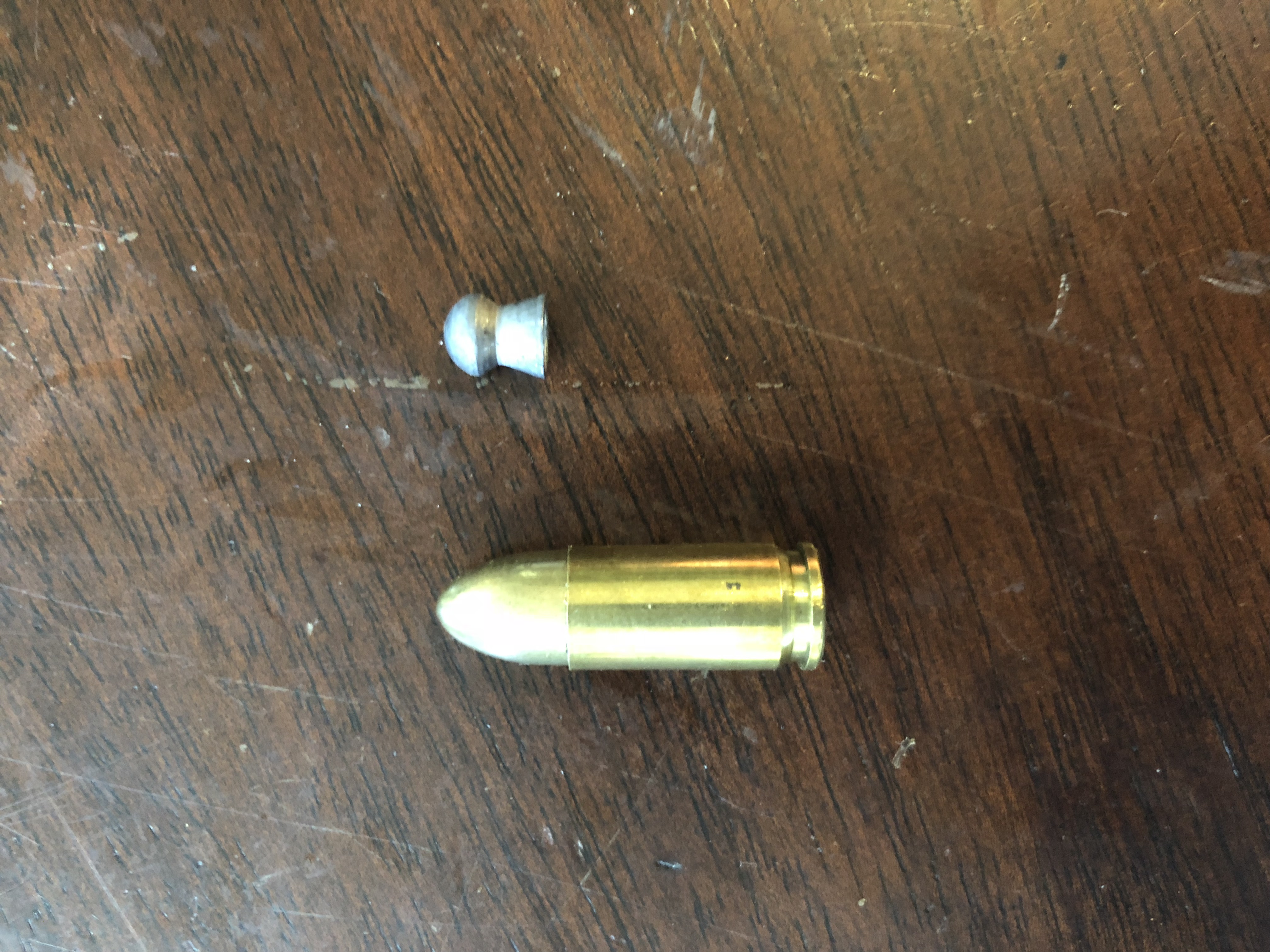
Overpressure rounds announce themselves through flattened primers, ejector swipe marks on the case head, and a sharp, violent recoil impulse unlike standard loads. You may also see a sticky extraction or a glowing ember from the chamber. Underpowered rounds, conversely, fail to cycle the slide fully, produce a weak “pop,” and often leave the brass short-stroking or stovepiping. A pistol that suddenly shoots dirty, with unburnt powder everywhere, indicates a weak charge. Always inspect your spent casings immediately—bulging case bases or cracked rims demand you stop firing that lot.
Pressure signs are not cosmetic; they warn of imminent case-head failure. If your accuracy drops or the slide feels sluggish, you are dealing with 6.5 PRC Ammo for Sale a bad batch, not bad technique.
Q: What is the single fastest way to spot an overpressure round at the range?
A: Check the spent primer—a cratered or flattened primer with a visible flow ring is the definitive, immediate warning sign.
How to Test a New Batch of 9mm Defensive Ammo for Reliable Function
To validate a new batch of 9mm defensive ammo reliability, start by cleaning and lubricating your firearm to rule out fouling as a variable. Load only one round in the magazine and fire it from a locked slide to confirm chambering and ejection. Then, run a minimum of 200 rounds across multiple magazines, including the last-round hold-open, to expose feed ramp or extractor issues. Function-test with a limp-wrist grip, a firm two-handed grip, and a supported bench rest to mimic stress conditions. Finally, check primer strikes for uniform depth—shallow or light hits indicate hard primers. Do not carry any batch until it cycles flawlessly through three consecutive sessions without malfunctions.
